Advancing Web3 Identity Structures with SuiNS Subnames
Companies, organizaitons, and individuals can leverage SuiNS Subnames to create unique and powerful identity structures.


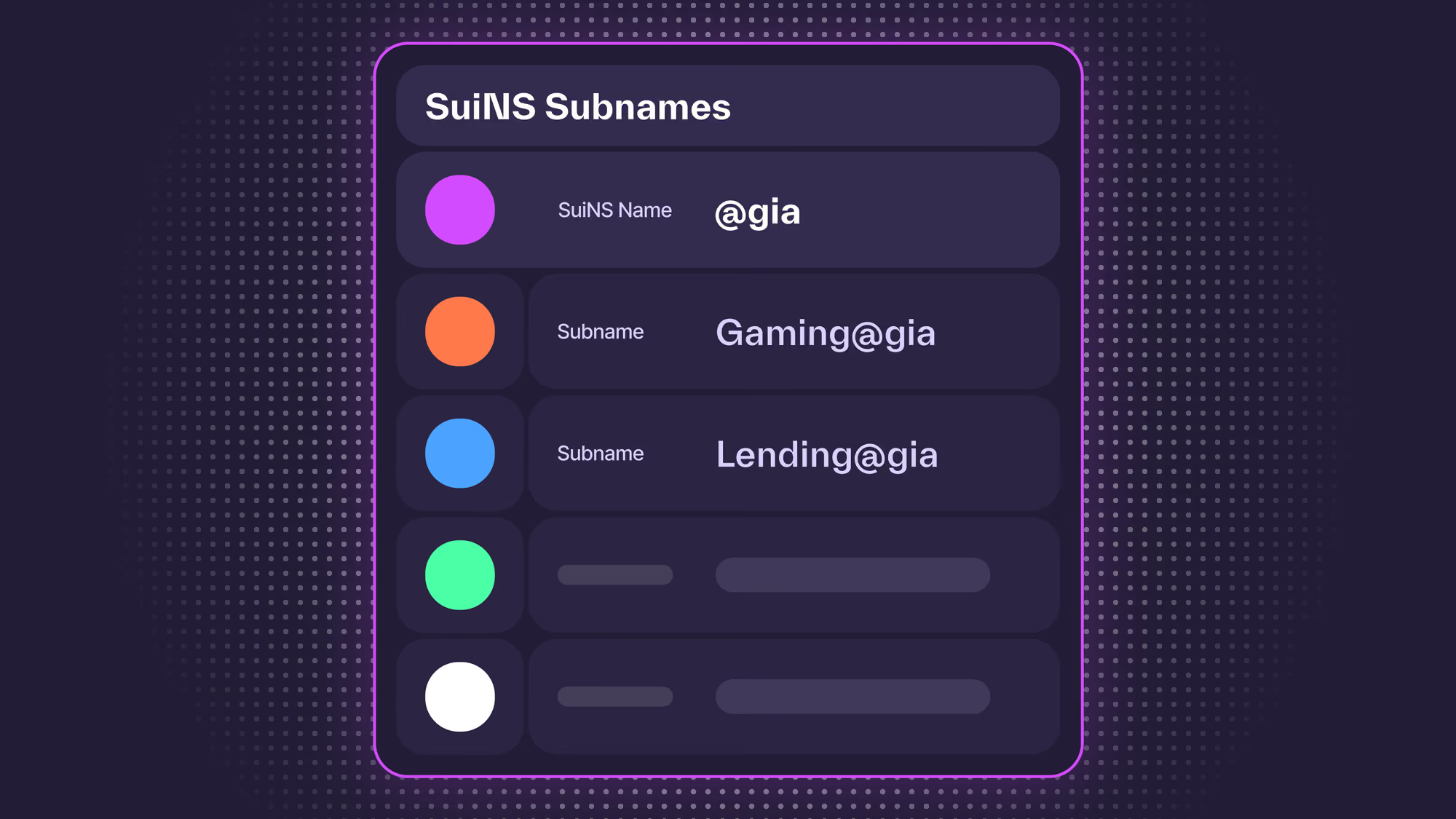
SuiNS Subnames, a powerful extension of the Sui Name Service, was recently released along with the new naming convention. Subnames allow users to create additional, customized identities under a primary SuiNS name—for no additional cost. A user @gia can create subnames such as gaming@gia or lending@gia, enhancing personal organization and supporting hierarchical structures for groups and organizations.
This development is significant for both individuals and businesses. With subnames, companies, DAOs, and other organizations can issue branded account names for their users or employees, providing onchain identities that improve user experience with Sui's powerful features and utilities. Subnames are cost effective as they do not need to be purchased separately and only require gas to be created. Subnames can also be nested, creating subnames within subnames, for even deeper organizational structures.
What are SuiNS Subnames?
SuiNS Subnames introduce an innovative layer to the Sui Name Service by enabling users to generate multiple personalized identities under a single primary SuiNS name. For instance, a business can hold its primary SuiNS name and assign subnames to employees or departments, enhancing brand consistency and identity management across different levels within the organization.
Subnames can also be nested to create complex identity structures. For example, a gaming guild could have subnames from the game SuiNS identity to represent its group, such as guild@game. From there users can create their own subnames that represent their accounts within the guild, such as user.guild@game. Users can then create different characters or game sessions that are nested within their account subname, such as character.user.guild@game. This nesting capability allows for unique and powerful identity hierarchies.

Why subnames matter
While SuiNS names allow individuals to establish their unique onchain identity, subnames take this benefit a step further by enabling the representation of groups, organizations, and intricate hierarchies. This feature is particularly valuable for companies, DAOs, and other entities looking to issue vanity names or usernames that reflect their onchain presence simply and effectively.
Subnames enable businesses to maintain a cohesive onchain brand identity. A Web3 company like Mysten Labs, for instance, can issue @mystenlabs subdomains to its employees, akin to company email addresses. Another use for subnames is for an organization to create department-specific subnames like finance@company or hr@company, which can be used for managing finances or keeping records onchain.
Subnames tap into the growing demand for customized digital identities by individuals, making onchain interactions more human and relatable. For organizations, subnames allow for detailed categorization and management of entities within the organization while also offering unique avenues to strengthen brand presence onchain.
The mechanics of subnames
Subnames offer a robust, user-friendly, and efficient solution for managing digital identities. Platforms can generate an unlimited number of subdomains, without any costs aside from the gas fees required for the transaction, making this a highly scalable option for expanding organizations and communities. Each subdomain is secured and verified through NFT ownership, providing trustworthy control over digital identities.
There are two types of subnames based on ownership. Node subnames grant the subname holder complete control via an ownership NFT. The parent SuiNS name can set specific guidelines for these subnames at the time of their creation, ensuring these rules are consistently enforced. On the other hand, leaf subnames represent the subname without transferring full control from the parent SuiNS name. This flexibility allows organizations to modify guidelines, reclaim, and reassign subnames as necessary, maintaining optimal control and organization.
How-to Guide
For those without a SuiNS name, review how to obtain and register a SuiNS name to an address.
- From the SuiNS website, select ‘View names you own’ from the dropdown menu in the upper-right corner.

- On the SuiNS name that you want to create a subname, click the three-dots menu and select ‘Create Subname’.

- Here you can specify the expiration date and permissions of the subname.

- After selecting ‘Create Subname’, you will need to submit a transaction which generates the subname. Once complete, the newly created subname will be visible from the ‘Subnames’ tab from your SuiNS account.

Enhanced identity
The introduction of SuiNS Subnames marks a significant milestone in the evolution of digital identity management. By offering a flexible, scalable, and user-friendly way to create hierarchical identities, SuiNS not only addresses the current needs of the individuals within the community but also paves the way for innovations around identities within organizations.
As the Sui ecosystem continues to grow, the importance of maintaining consistent and recognizable identities will only increase, making subnames an indispensable tool for users and organizations alike. SuiNS Subnames offer a new level of personalization and control in Web3 identity, allowing users and organizations to embrace the future of onchain identity with SuiNS.
Note: This content is for general educational and informational purposes only and should not be construed or relied upon as an endorsement or recommendation to buy, sell, or hold any asset, investment or financial product and does not constitute financial, legal, or tax advice.